Trinity doesn't see orthodox formation and scholarship as competing priorities that must be balanced. They are the same thing. Everything you do: the classroom work, daily chapel, and the evenings you spend with your peers, all combine to develop you into a minister ready to take on everything that ministry entails.
Discover Formation


"I chose to study at Trinity because most of my mentors and pastors graduated from the school. I have already benefited so much from the biblical wisdom, pastoral care, and Anglican sensibility of these Trinity graduates. By studying at Trinity, I seek to be formed in wisdom, knowledge, and skill to serve the Church as an Anglican presbyter."
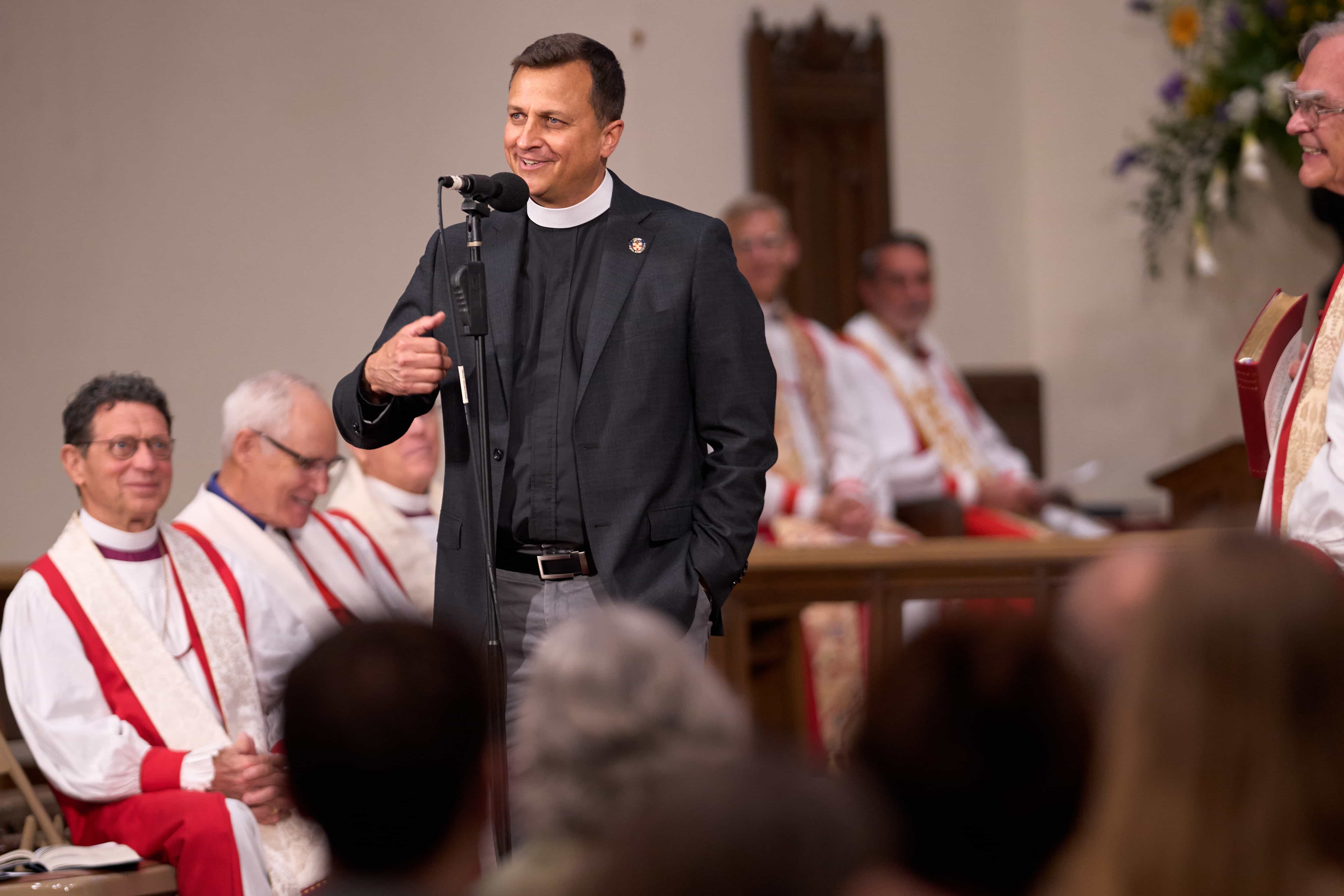
Trinity Anglican Seminary exists to form leaders for mission. We provide Anglican formation that is biblically orthodox, academically rigorous, and deeply relational—always in partnership with the bishops and churches we serve. Here, students don't choose between theological excellence and spiritual formation; they experience both simultaneously through a curriculum built around ACNA ordination requirements, daily chapel, and mentorship from faculty committed to the church's flourishing. We are forming the next generation of Anglican leaders who will faithfully proclaim the gospel and shepherd God's people.


We are located in the town of Ambridge, known for its close-knit community and rich traditions, with nearby towns like Beaver and Sewickley providing a variety of shops, services, and churches. As part of the Pittsburgh metropolitan area, you will benefit from access to world-class museums, arts, cultural events, professional sports, and recreation, while being just twenty minutes from Pittsburgh International Airport—making the region an ideal setting for ministry training.
Explore our Campus
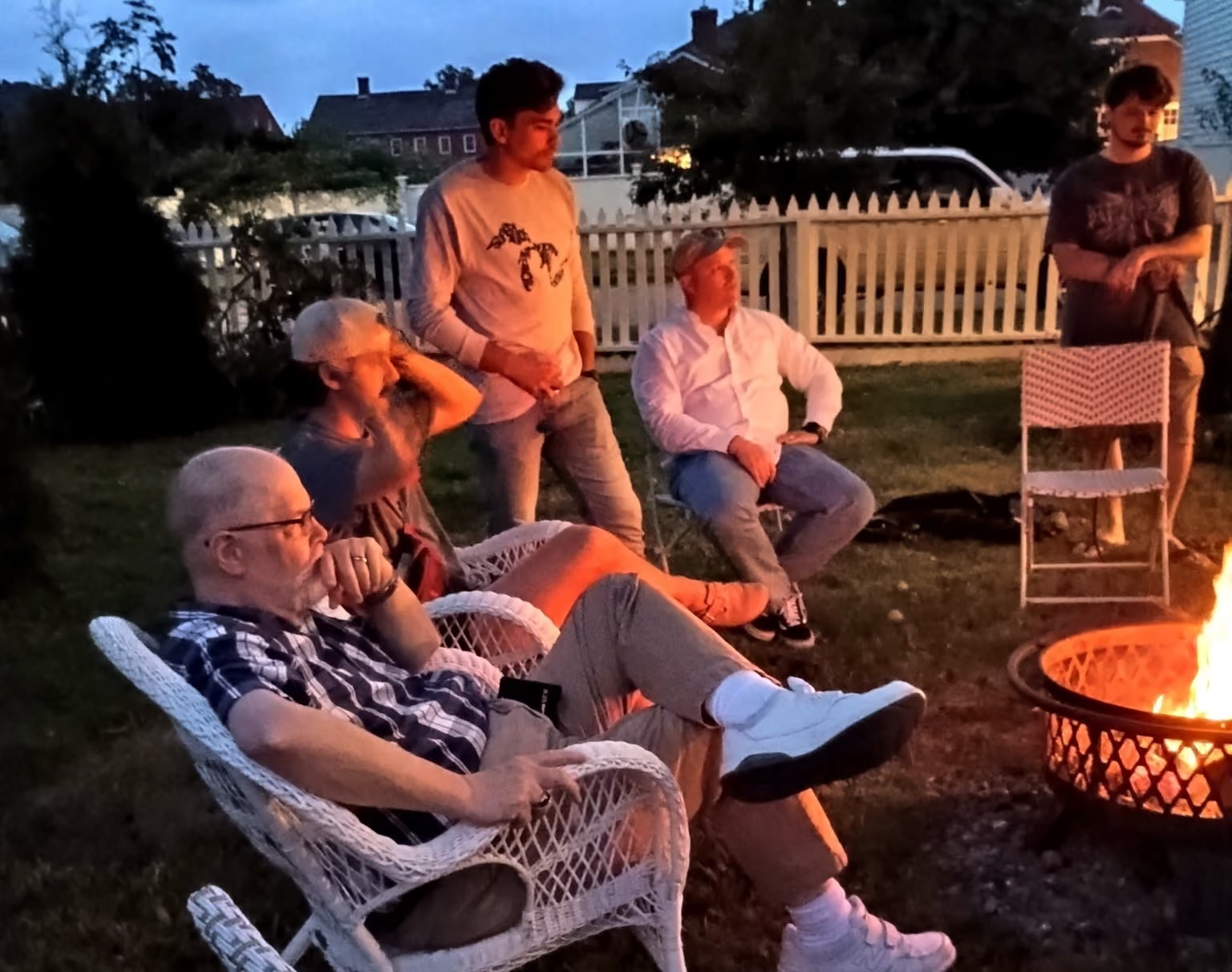
On a warm summer evening, 17 seminarians shared what they hoped for the semester ahead.
Read

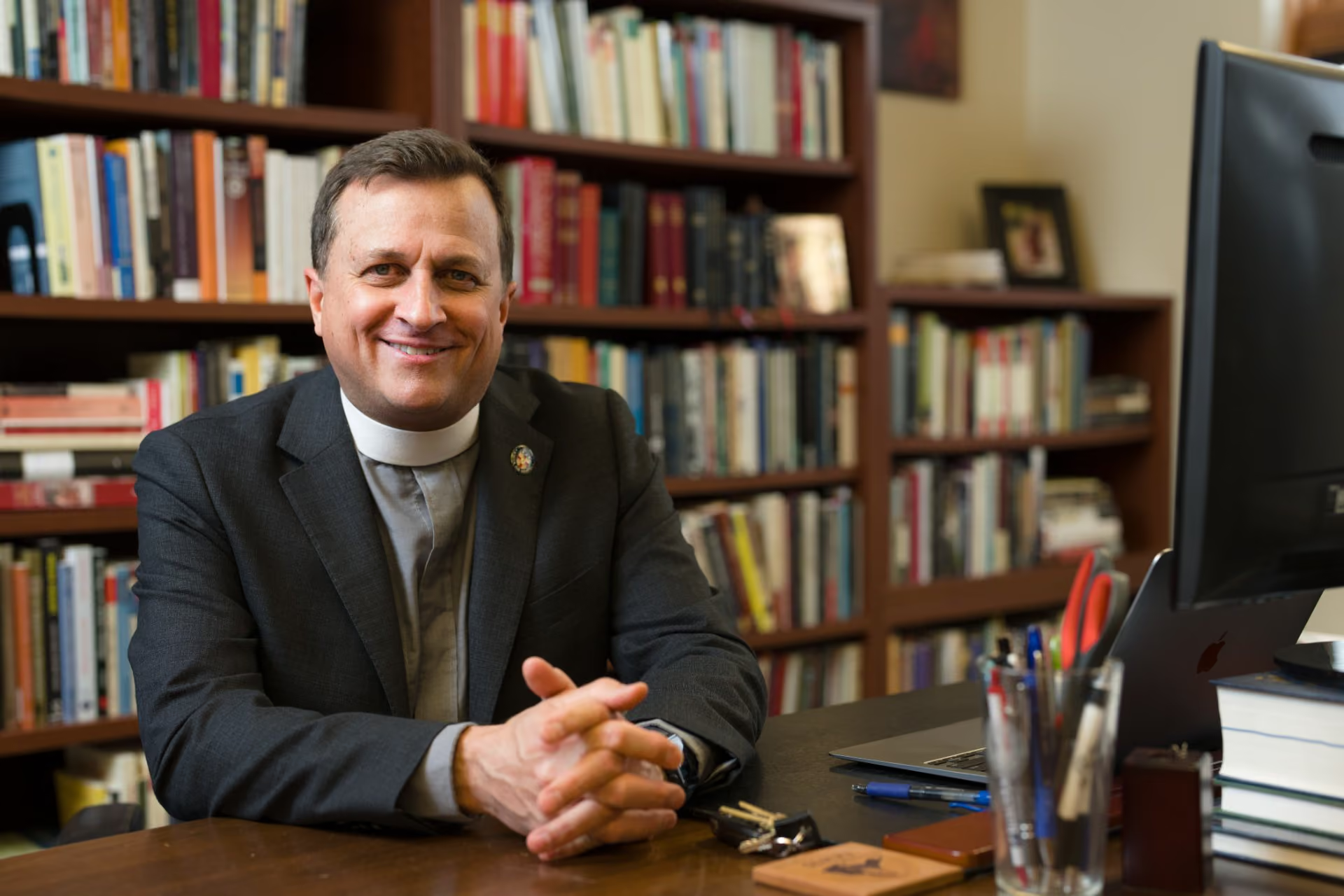
Trinity Anglican Seminary launched Holy Order, a biweekly podcast on Scripture and the Anglican tradition.
Read
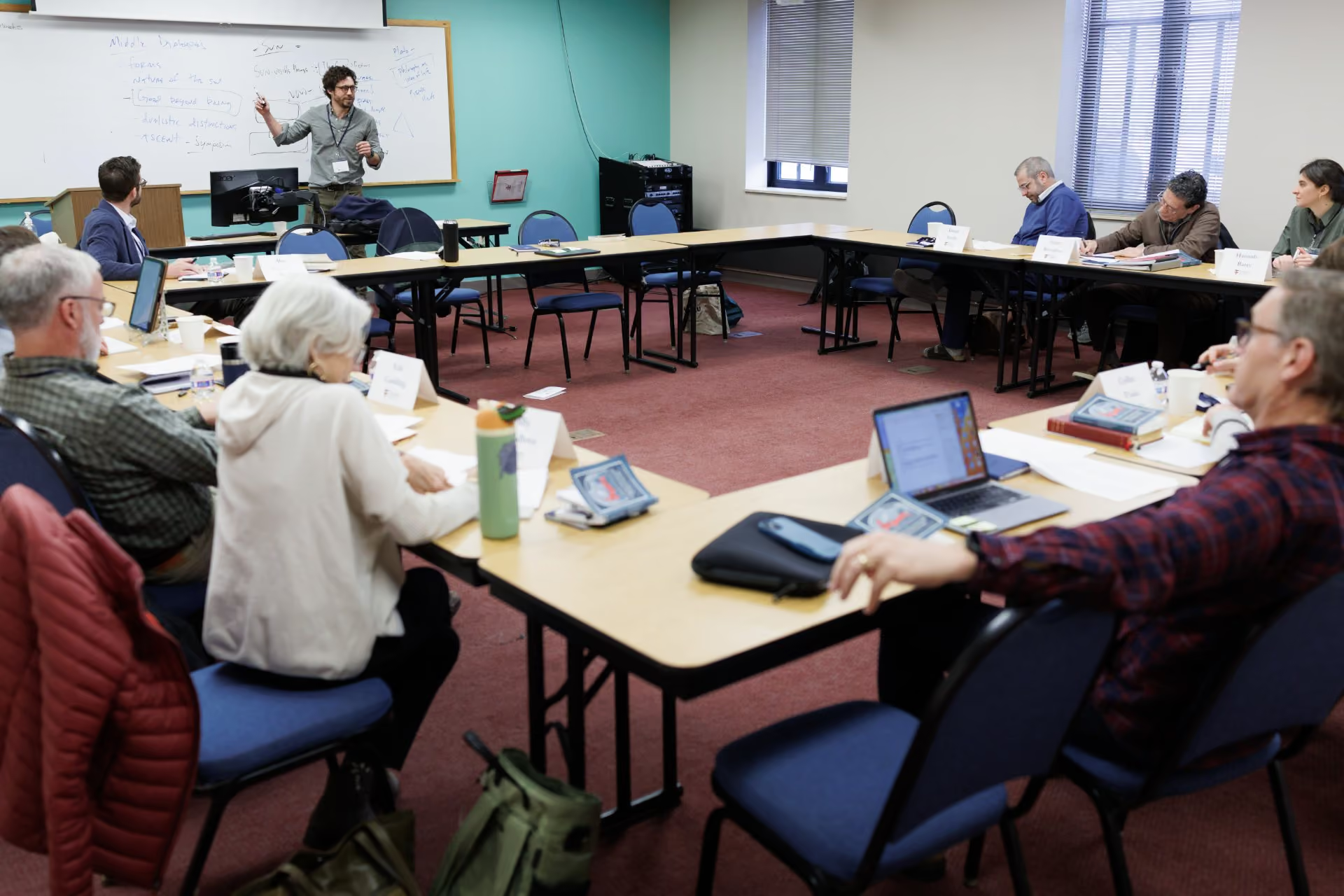
Trinity's Ad Fontes: a semester of retreat plus online seminars helping clergy return to the sources without leaving the parish.
Read
-1920.avif)
Every weekday at 7:15 a.m. in a Waco living room, a small group prays and scatters into parishes from California to Illinois.
Read
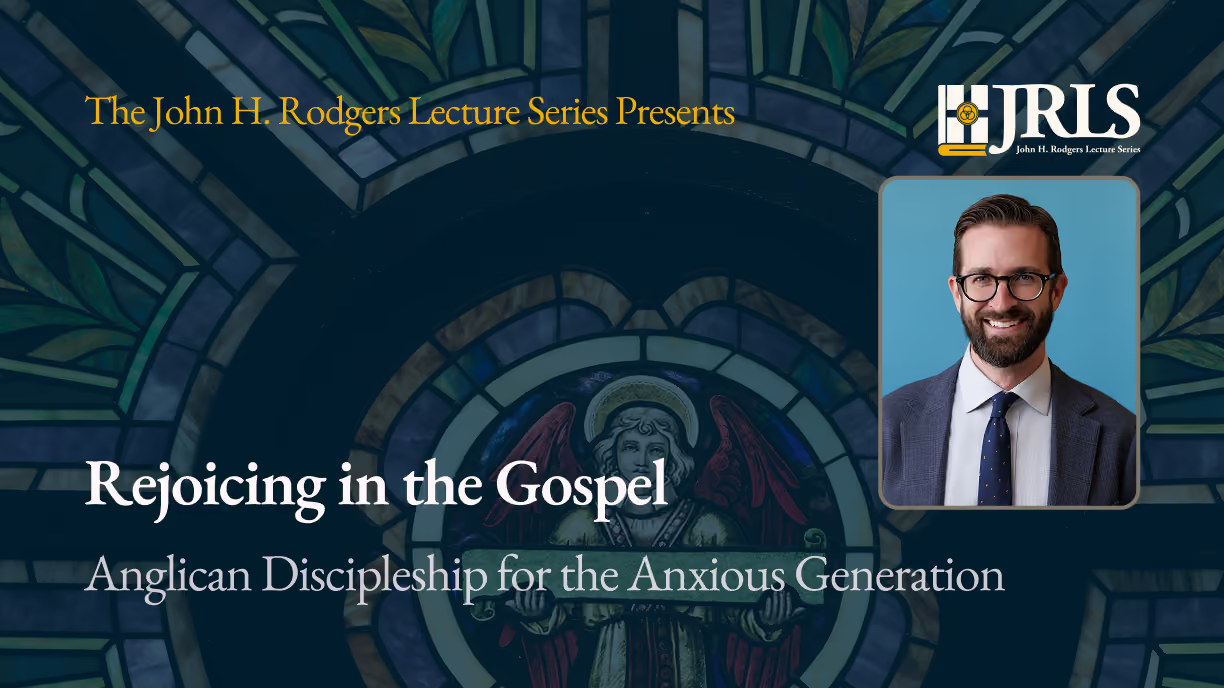
Join Dr. Alex Fogleman, Trinity's Associate Dean of Special Programs and author of Making Disciples, as he retrieves the riches of Anglican catechesis for a generation searching for peace, purpose, and joy in the Gospel.

Trinity is to be an evangelical seminary in the Anglican tradition. To this end we develop Christian leaders who can plant, renew, and grow churches that make disciples of Jesus Christ.
Contact Us







.jpg)


