ch635
Medieval and Early Modern Church History


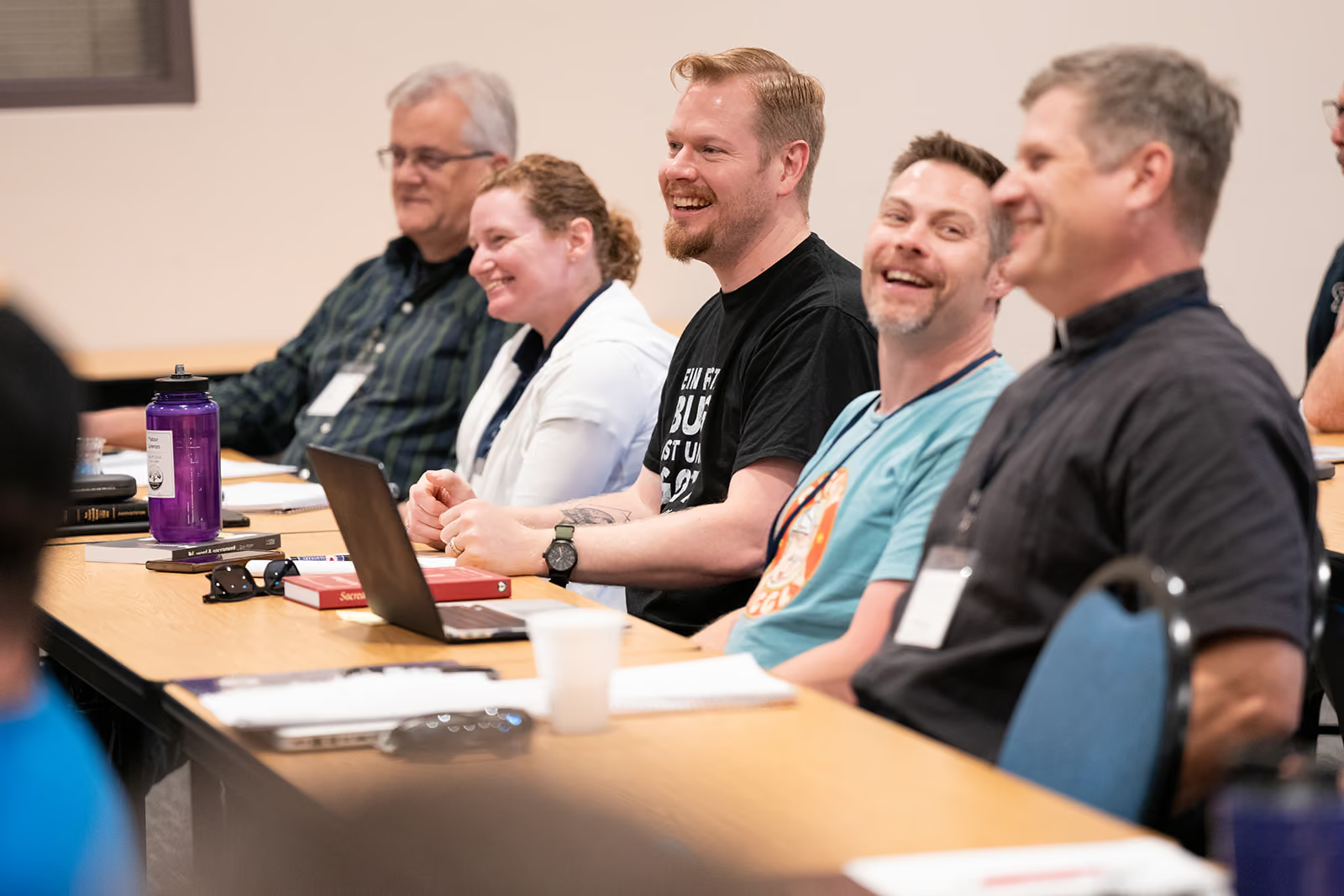
A focused exploration of Christian life and thought from the medieval through early modern eras, centering on key figures, monastic and reforming communities, and the pastoral realities that shaped the church. Students read primary sources in their historical settings, engage major scholarly interpretations, and trace developments in doctrine, worship, mission, and church order—attending to how these traditions inform Anglican identity and faithful ministry today.
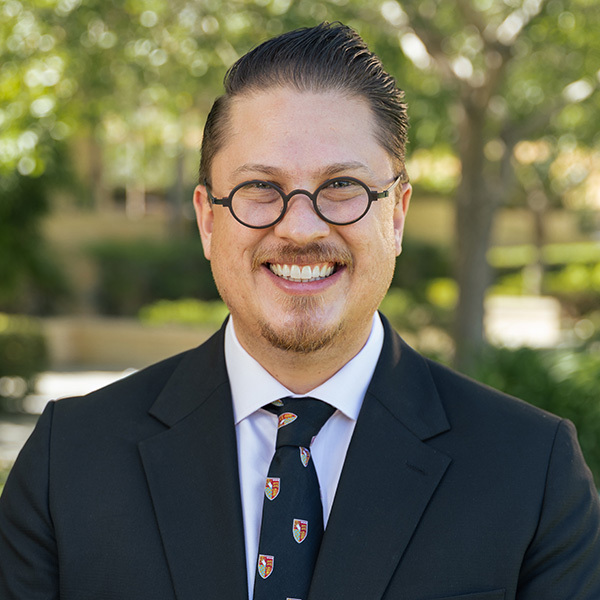

The Rev. Dr. Matthew David Visk is rector of Christ's Chapel Anglican Church in Riverside, California, and a visiting professor in Biola University's Torrey Honors College, where he mentors students through Socratic seminars on the Great Books. He earned his Ph.D. in systematic theology at the University of Cambridge in December 2025 with a thesis on the satisfaction of Christ and the necessity of the cross in John Calvin's theology, written under David Fergusson. He holds an MTh from London School of Theology, a Master of Theological Studies from Gateway Seminary, and a BA in music education from UCLA. His research traces Calvin's doctrine of satisfaction back into medieval and Reformed scholastic accounts of justice, and his chapter on the descent clause in Calvin's theology of satisfaction appears in Calvin, Exile, and Religious Refugees (Vandenhoeck & Ruprecht, 2024). He has read papers at the Evangelical Theological Society and the International Congress for Calvin Research, and he held the Lightfoot Scholarship in ecclesiastical history at Cambridge. He has taught church history, Christian dogmatics, Christian ethics, and biblical theology at Reformed Episcopal Seminary, Rochester University, and Asia Graduate School of Theology in Nepal.

Trinity is to be an evangelical seminary in the Anglican tradition. To this end we develop Christian leaders who can plant, renew, and grow churches that make disciples of Jesus Christ.
Contact Us