ch670
Theology & Writings of Martin Luther
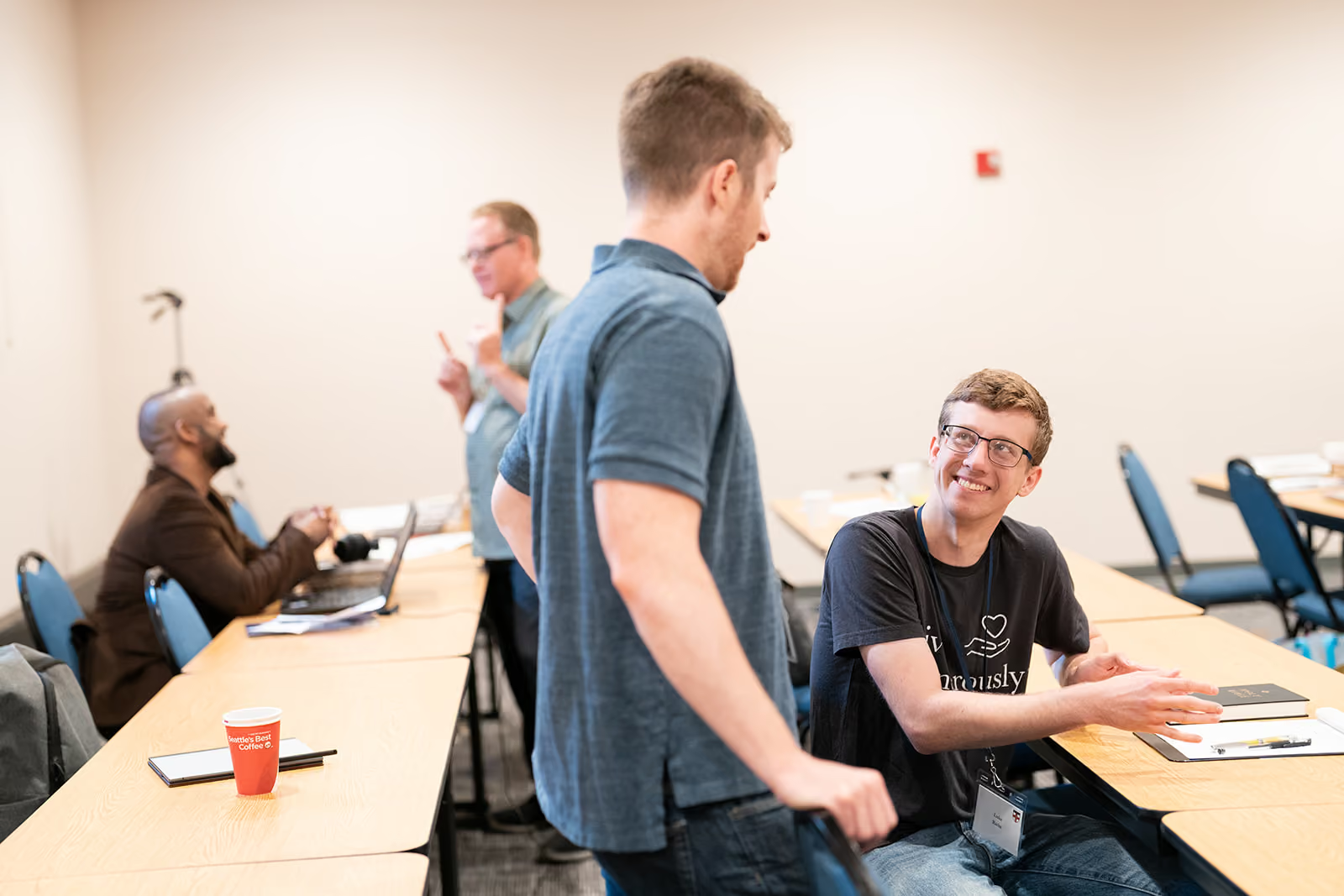

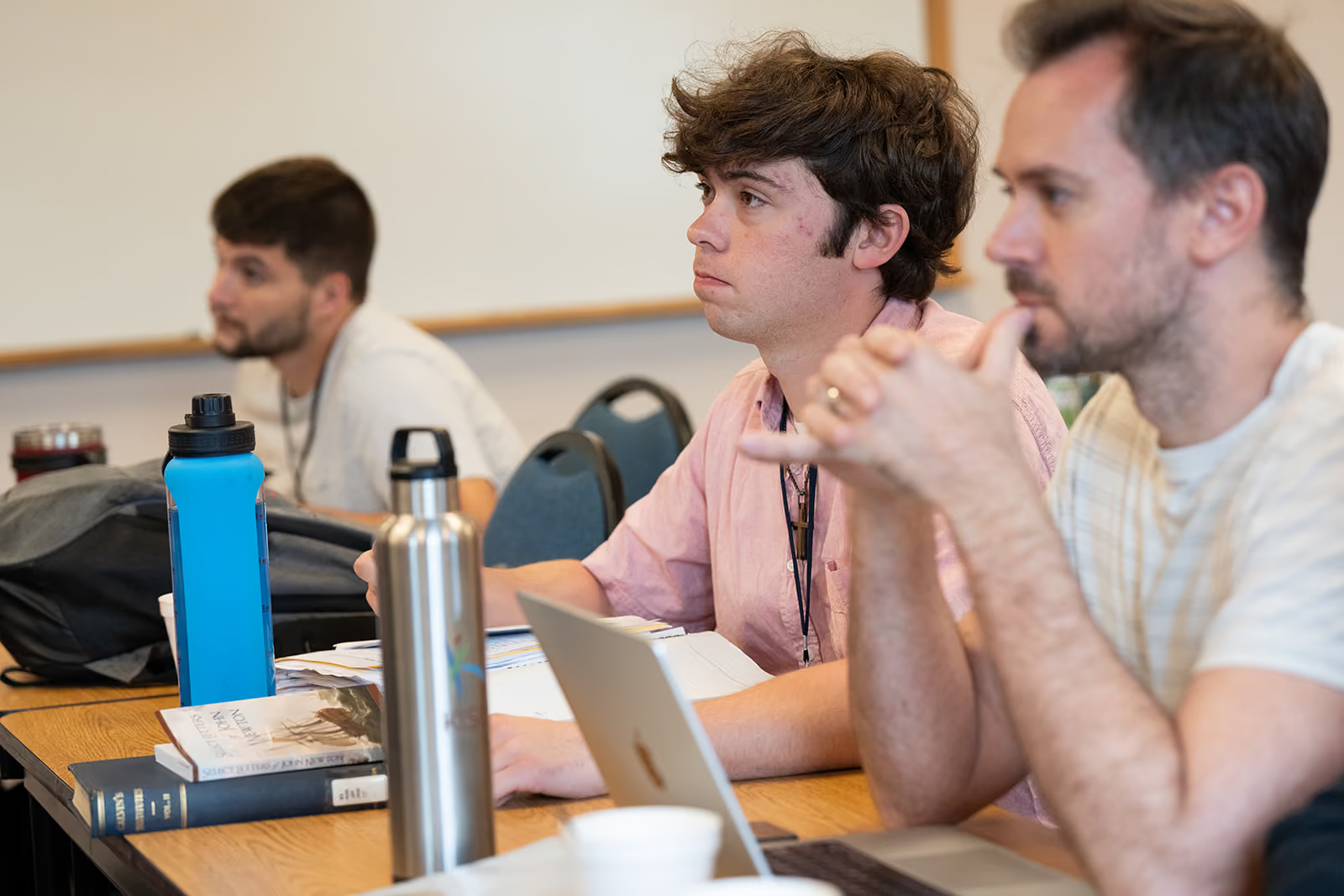
A seminar tracing Martin Luther’s journey from Augustinian monk to reformer, integrating his theology with ministry practice and spiritual disciplines. You will read Luther in context—monastic formation, pastoral work in Wittenberg, preaching and catechesis—and follow how Scripture, justification by faith, and the primacy of Word and sacrament reshaped his life and the church. The course evaluates major controversies and councils, examines key confessions and catechisms, and considers Luther’s legacy for worship, preaching, pastoral care, and parish renewal today—engaging his insights with Anglican commitments to Scripture, creed, and common prayer.
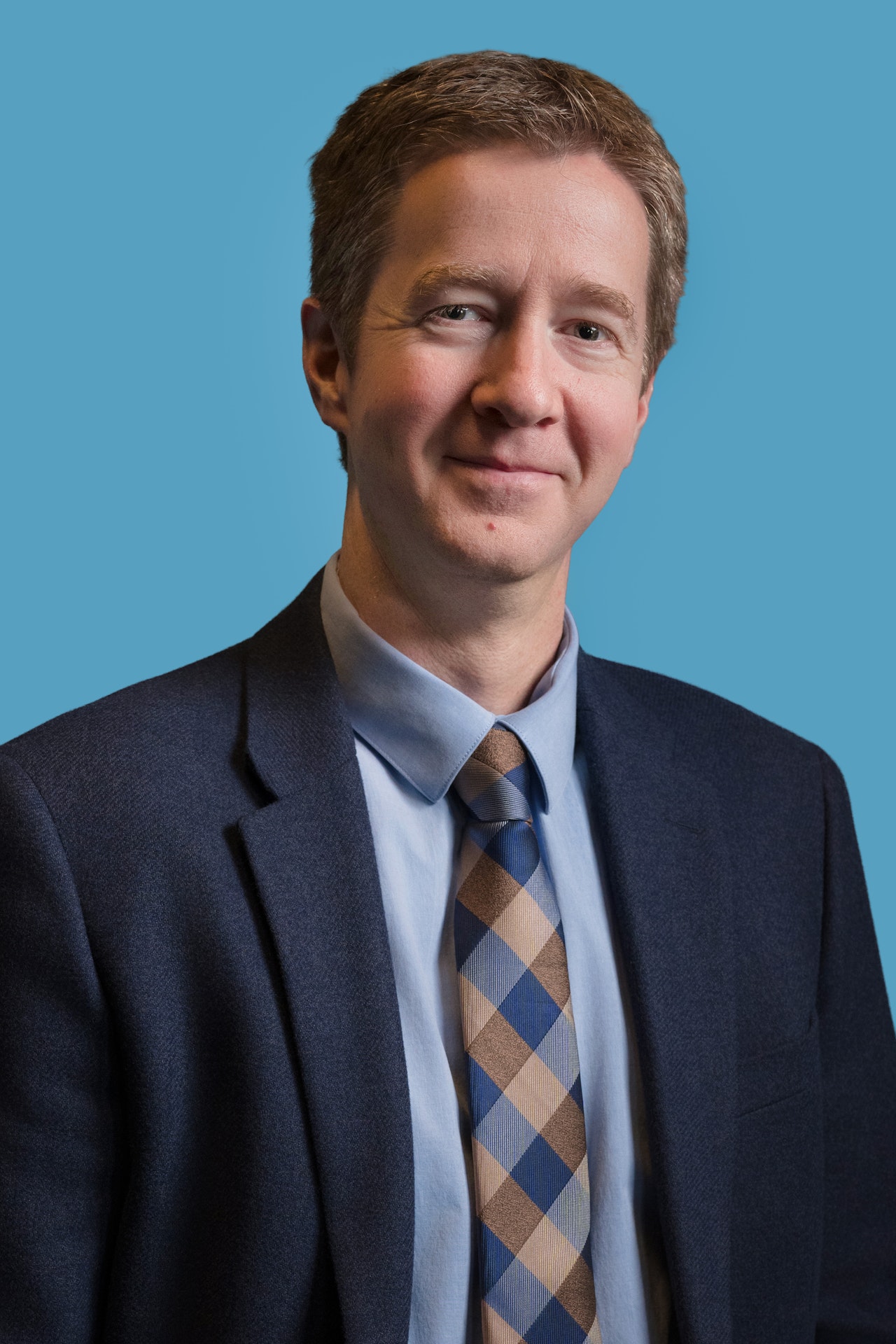

Dr. David Luy's calling has always been to teach theology within the church and for the church's benefit. He believes theology belongs most fundamentally to the church, where sound doctrine is critical to every aspect of corporate life, especially the preaching and catechesis offered by ministers. His theological journey afforded him opportunities to engage with a broad range of ecclesial traditions, and ecumenical conversation partners continue to enrich his thinking. As NALS Academic Director, he is deeply grateful for Trinity's hospitality in welcoming the North American Lutheran Seminary as an embedded partner on the Ambridge campus—a beautiful expression of the church's unity amid important differences, opening invaluable opportunities for mutual edification.
Dr. Luy's goal is to help form theologically literate pastors who are committed to and take delight in the orthodox faith "once delivered unto the saints." He believes spiritual formation is rooted in relationships mediated by mutual fellowship with Christ and shaped by rich abiding in the word of Christ. While professors play an important role in mentoring, the deepest source of formation is the living word of God at work in the steady rhythms of prayer and worship.
What Dr. Luy treasures most is working with students—the thrill of introducing them to new subjects and seeing that light come on. He is thrilled to be part of an educational context where residential students experience the thick, "life together" pastoral formation Dietrich Bonhoeffer describes. His hope is that students will emerge utterly captivated by the riches of the catholic and apostolic faith, and that this love for God will inspire lifelong learning as a wellspring nourishing every aspect of their ministry. He enjoys music, backpacking, and all kinds of fishing.

Trinity is to be an evangelical seminary in the Anglican tradition. To this end we develop Christian leaders who can plant, renew, and grow churches that make disciples of Jesus Christ.
Contact Us