Title III of the Constitution and Canons of the Anglican Church in North America sets the exam subjects and guidelines for deacons and priests. Trinity's curriculum is specifically designed to prepare you intellectually and formationally for your exams.
Before ordination to the priesthood, a deacon must pass an examination in each of these subjects (Title III, Canon 4.2). Your bishop may add other requirements.
The Bible, its contents, its historical background and methods of interpretation.
Biblical Interpretation, Old and New Testament, Hebrew and Greek
The history of the whole church.
The Early Church, Medieval and Early Modern Church History
The history of the Anglican tradition.
Anglican and Episcopal History, The Anglican Way of Theology
The church's teaching as set out in the Creeds and the Offices of Instruction.
Theology I and II, The Anglican Way of Theology
The contents and use of the Book of Common Prayer, and the proper use of church music.
Prayer Book Theology, Conducting Worship in the Prayer Book Tradition
Christian moral teaching and ethics.
Moral Theology
The prayer life and spirituality of the minister, including the Daily Office.
Spiritual Formation, Prayer Book Theology
The office and work of a priest, leading public worship, writing and delivering sermons, Christian education in the parish, the canons of the province and your diocese, and using the voice in reading and speaking.
Homiletics I and II, Pastoral Care and Counseling, Pastoral Leadership
How the gospel has passed from one language and nation to another, cross-cultural communication, mission strategy, personal evangelism and apologetics.
Introduction to World Missions, Introduction to Evangelism, a 10-day cross-cultural immersion
I do believe the Holy Scriptures of the Old and NewTestaments to be the Word of God and to contain all things necessary to salvation, and I consequently hold myself bound to conform my life and ministry thereto, and therefore I do solemnly engage to conform to the Doctrine, Discipline, and Worship of Christ as this Church has received them.
Every priest is ordained a deacon first and serves at least one year as a transitional deacon, unless the bishop finds good cause to shorten it (Canon 3.3).
Each MDiv learning outcome is tied to one or more of the nine exam subjects.
The contents of Scripture, its contexts, the unity of the canon and its ethical demands.
Church history, the Creeds, the Thirty-Nine Articles and moral theology.
The catechism, a rule of life, the Daily Office and the Book of Common Prayer.
Leading worship, preaching, teaching in the parish, church music and the canons.
Carrying the gospel across cultures, mission strategy, evangelism and apologetics.
Every MDiv and MAR student spends 10 days in ministry outside their own culture. It can be a mission trip, a pilgrimage or volunteering at an immigrant church near home.
In the final semester, MDiv students submit a portfolio of work from across the program and a summative paper.
The canons leave the norms for ordination to each diocesan bishop (Canon 1.4). Many dioceses ask priests for a Master of Divinity and vocational deacons for a diploma or certificate in diaconal studies. Ask your diocese for its requirements before you choose a program.
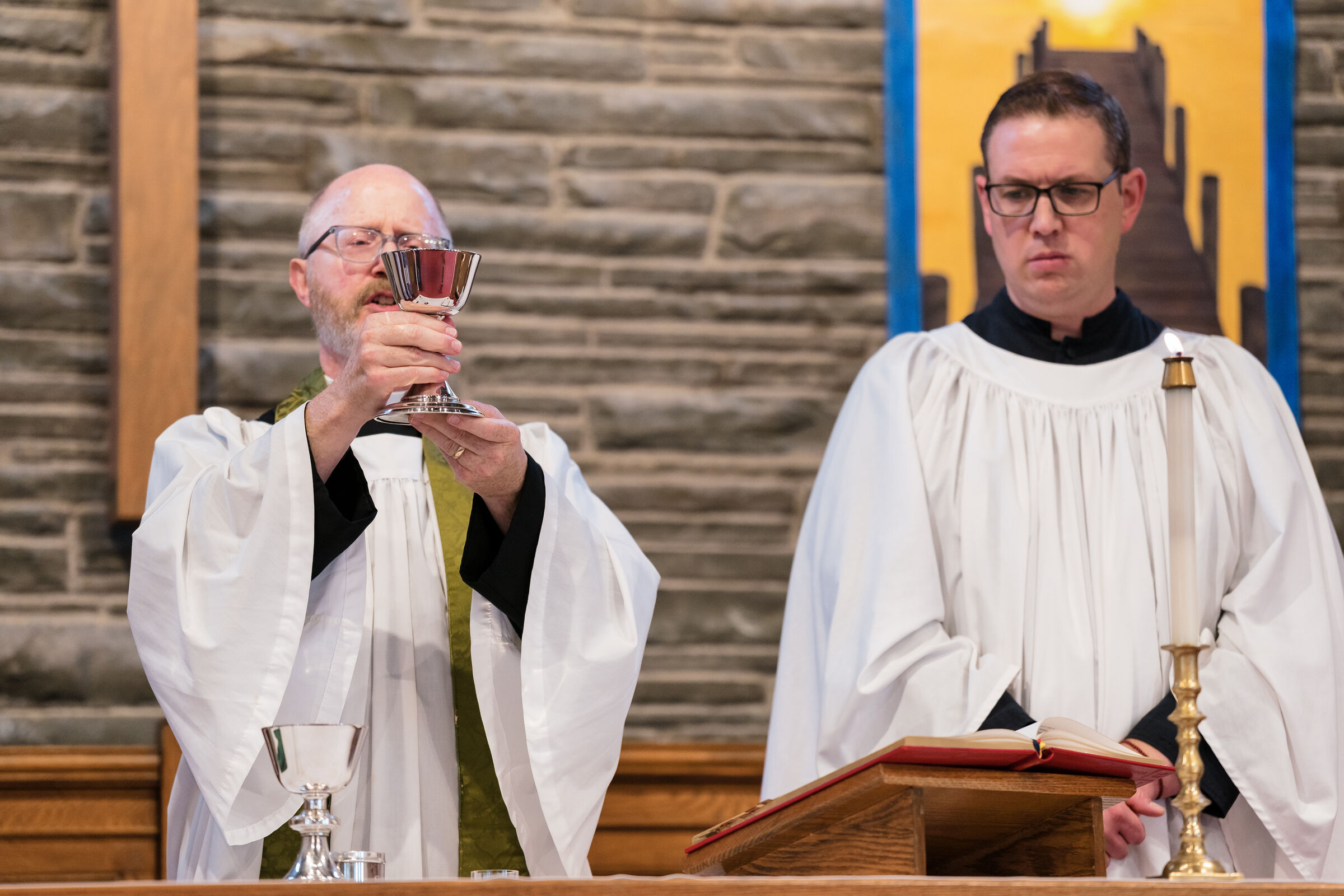
A 94-credit degree with learning outcomes mapped to all nine exam subjects, plus a cross-cultural immersion and a capstone portfolio.
Explore the MDiv

An 18-credit diploma in six courses, including History and Theology of Holy Orders. A pass/fail certificate covers the same courses.
Explore Diaconal Studies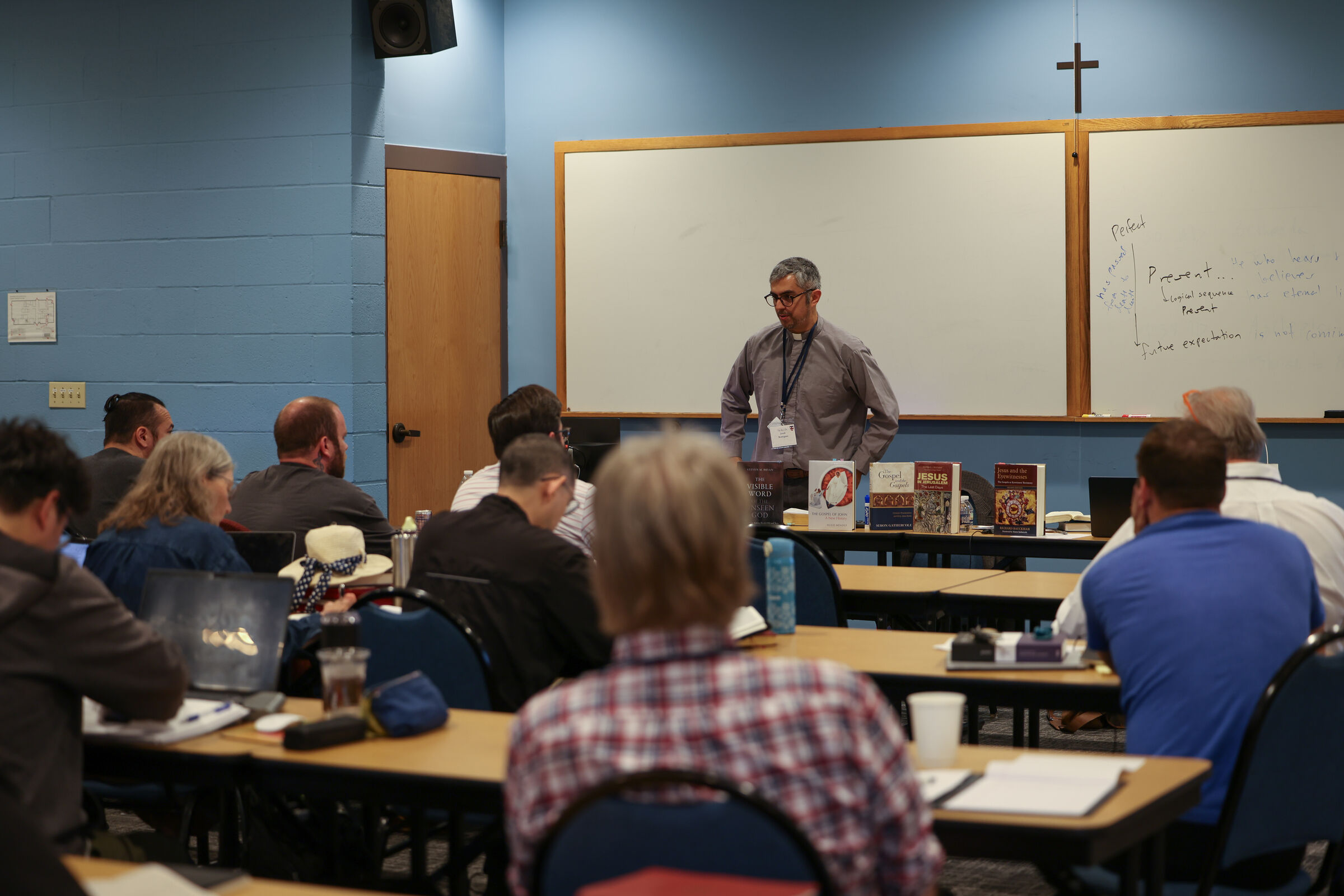
Six courses in Anglican history, theology and worship, including Global Anglicanism. Its credits can apply toward the MAR or MDiv.
Explore Anglican Studies
Trinity is to be an evangelical seminary in the Anglican tradition. To this end we develop Christian leaders who can plant, renew, and grow churches that make disciples of Jesus Christ.
Contact Us